As we head into November, I’ve been thinking about the people we work with and how much we learn from them.
At Your Language Connection, we talk a lot about language access. But when you get down to it, our work is about people. It’s about a parent being able to ask questions about their child’s progress, a therapist being able to communicate with a family, or someone understanding what’s happening during an important appointment.
Our clients are doing this work every day, and we’re fortunate to be part of it. They’ve reminded us that building a strong community takes people who are willing to listen, communicate, and show up for one another.
Making Sure Everyone Can Participate
Parent-teacher conferences are a good example. Schools have a lot to coordinate, and conferences often happen within a short window of time. But for parents, that conversation is an opportunity to hear how their child is doing, ask questions, and share their own concerns.
When schools plan for interpreters, they’re helping make sure more parents can be part of those conversations. That matters.
The same is true in early intervention. Parents know their children, and providers bring their own knowledge and experience. An interpreter helps everyone communicate so that the family can participate in the discussion.
I’m grateful to the educators, therapists, and other providers who understand how important it is to include families in these conversations.
The Little Things Are Important Too
A lot goes on behind the scenes before an interpreter arrives at an appointment. Someone makes the request, our team works to find the right linguist, and everyone needs to know where to be and when.
It may seem simple, but we know that when even one detail changes, it can affect the whole appointment. A family might be waiting, a provider might have set aside time, and an interpreter might be on their way.
That’s why communication is so important. When something changes, let us know. When there’s a concern, tell us. And when we make a mistake, we need to listen and do what we can to make it right.
I appreciate the clients who work with us through those situations. None of us gets everything right all the time, but we can be honest with one another and keep working toward a solution.
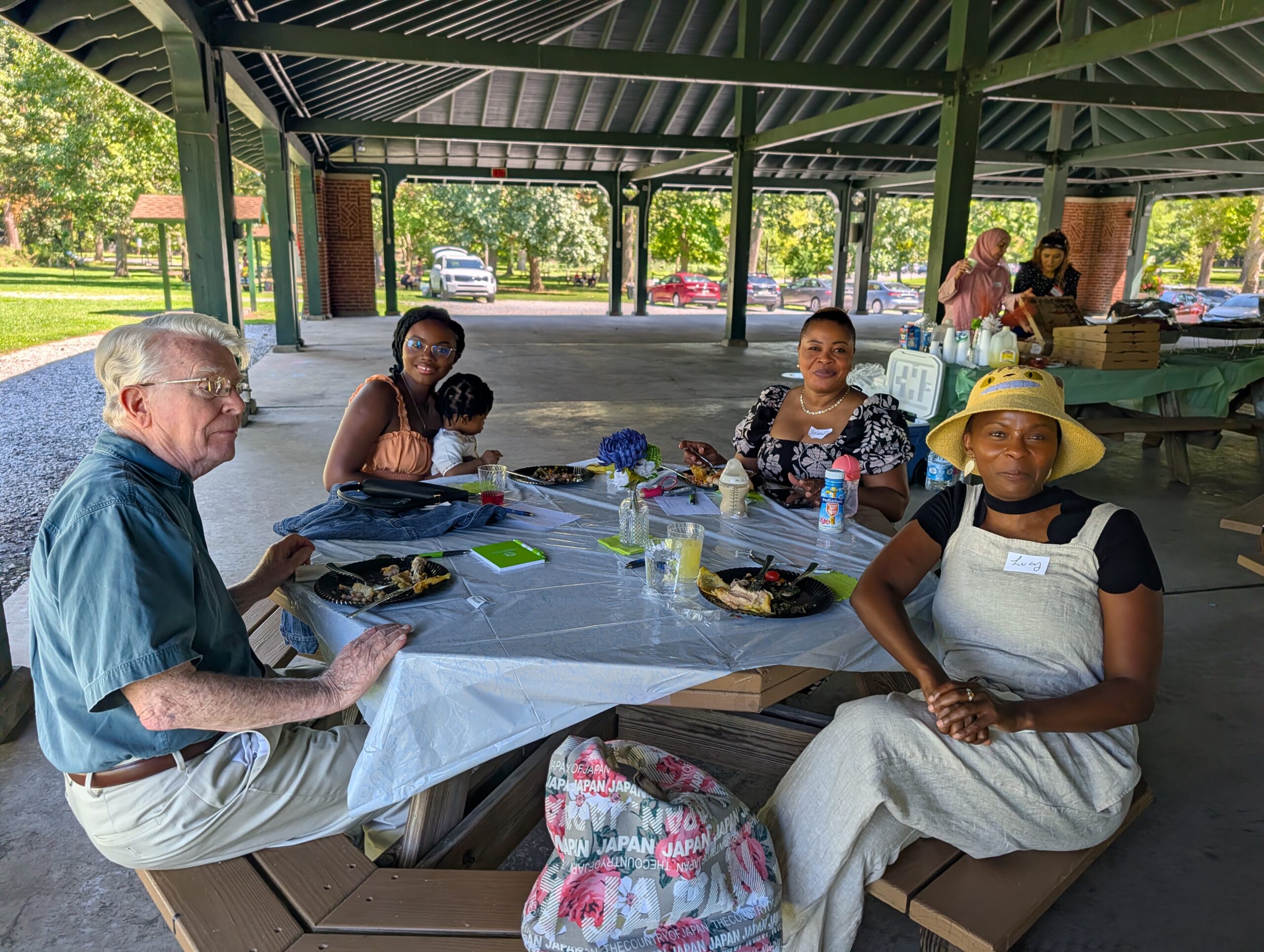
Community Is Something We Build Together
I’ve learned in my own life that community takes effort. People need to get to know one another, make space for each other, and be willing to help when they can.
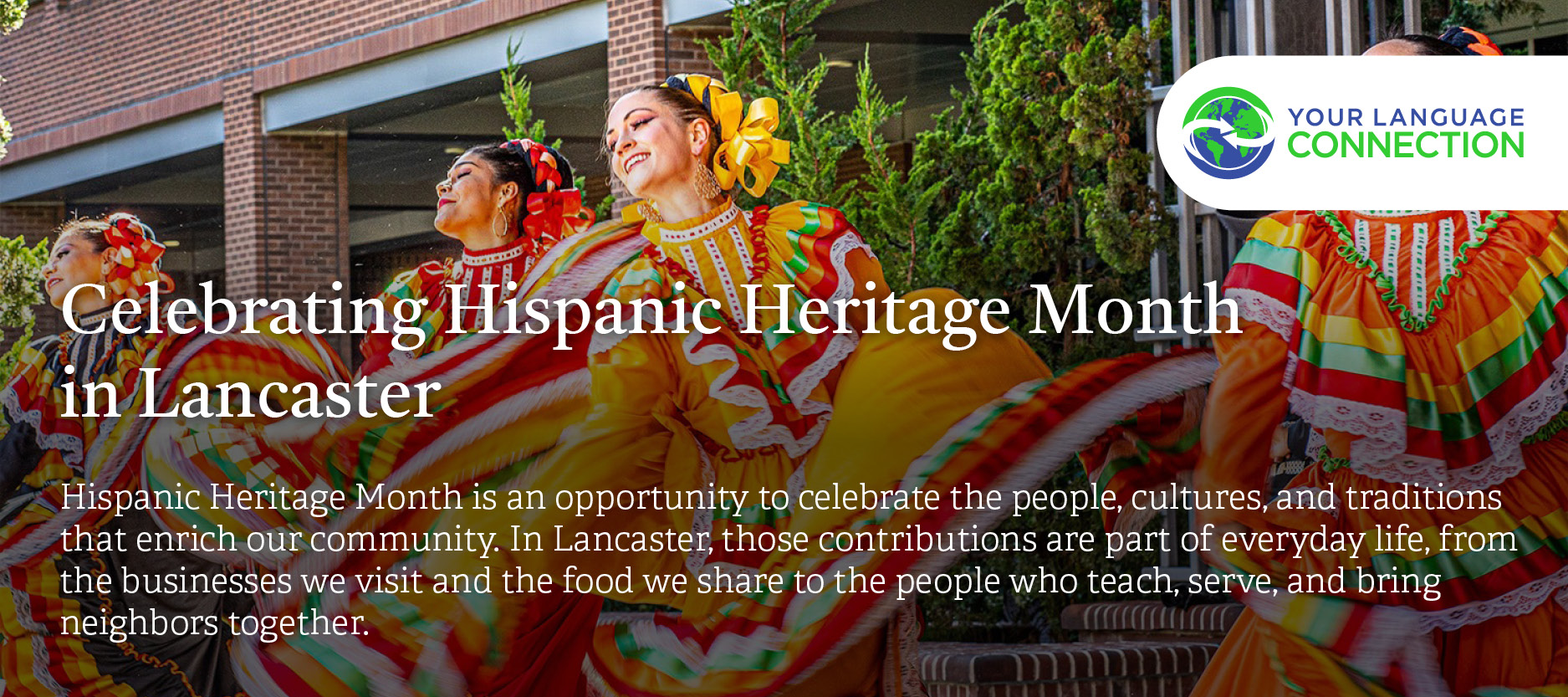
I see that in Lancaster and in the people we work with. There are so many different languages, cultures, and experiences in our community, and we all benefit from what people bring, from their knowledge and ideas to their food, music, and traditions.
Sometimes being part of a community also means sharing a resource, letting someone know about an opportunity, or connecting them with someone who can help. Those things matter, even when they seem small.
Thank You for Being Part of Our Work
To our clients and partners, thank you for trusting us and for making language access a priority. We appreciate your feedback and the work you do to support the people you serve.
To our linguists, thank you for the skills and professionalism you bring to your assignments. We know this work takes preparation, patience, and care.
To the families and individuals we serve, thank you for allowing us to be part of your conversations.
And to our YLC team, thank you for everything you do behind the scenes. There are a lot of moving parts, and I appreciate the time and effort it takes to keep things going.
As we look ahead to the end of the year, I’m grateful for the people who make this work possible. Our clients have taught us that community is built through the things we do every day: listening, communicating, and being there for one another.
Thank you for being part of ours.